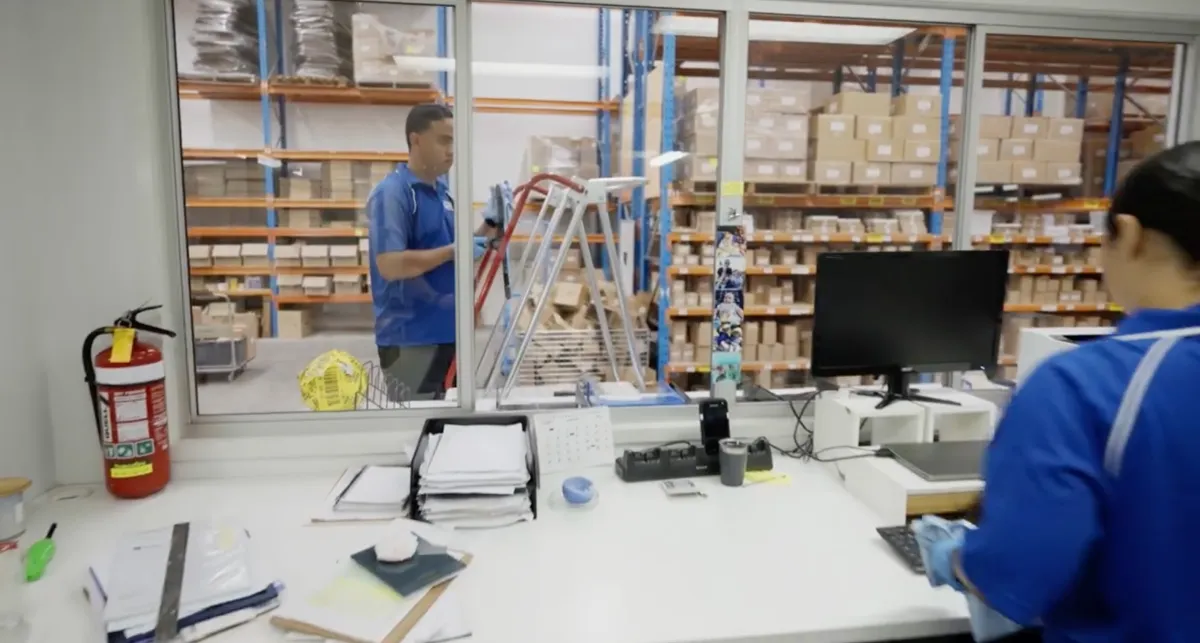
Office Cleaning Schedule
How to Create an Effective Cleaning Plan for Your Workplace
A clean office environment is essential for maintaining productivity, protecting employee health, and creating a positive impression for visitors and clients. One of the most effective ways to maintain a professional workspace is by implementing a consistent office cleaning schedule.
Without a structured cleaning plan, offices can quickly accumulate dust, clutter, and germs especially in high-traffic areas like kitchens, restrooms, and conference rooms. An organized cleaning routine ensures that every part of your workplace stays clean, sanitized, and presentable.
In this guide, we’ll explore how to create an effective office cleaning schedule, what tasks should be completed daily, weekly, and monthly, and how businesses can maintain a healthier work environment.
Why Every Business Needs an Office Cleaning Schedule
Many businesses underestimate the importance of a consistent cleaning routine. However, implementing an office cleaning schedule provides several key benefits for both employees and visitors.
A structured cleaning plan helps:
Reduce the spread of germs and illness
Improve employee productivity and morale
Maintain a professional business image
Extend the lifespan of office furniture and flooring
Ensure compliance with workplace health standards
According to the Centers for Disease Control and Prevention, regularly cleaning and disinfecting frequently touched surfaces can significantly reduce the spread of infectious illnesses in shared workspaces.
When cleaning is performed consistently, businesses can maintain a healthier and more organized work environment.
Key Areas to Include in an Office Cleaning Schedule
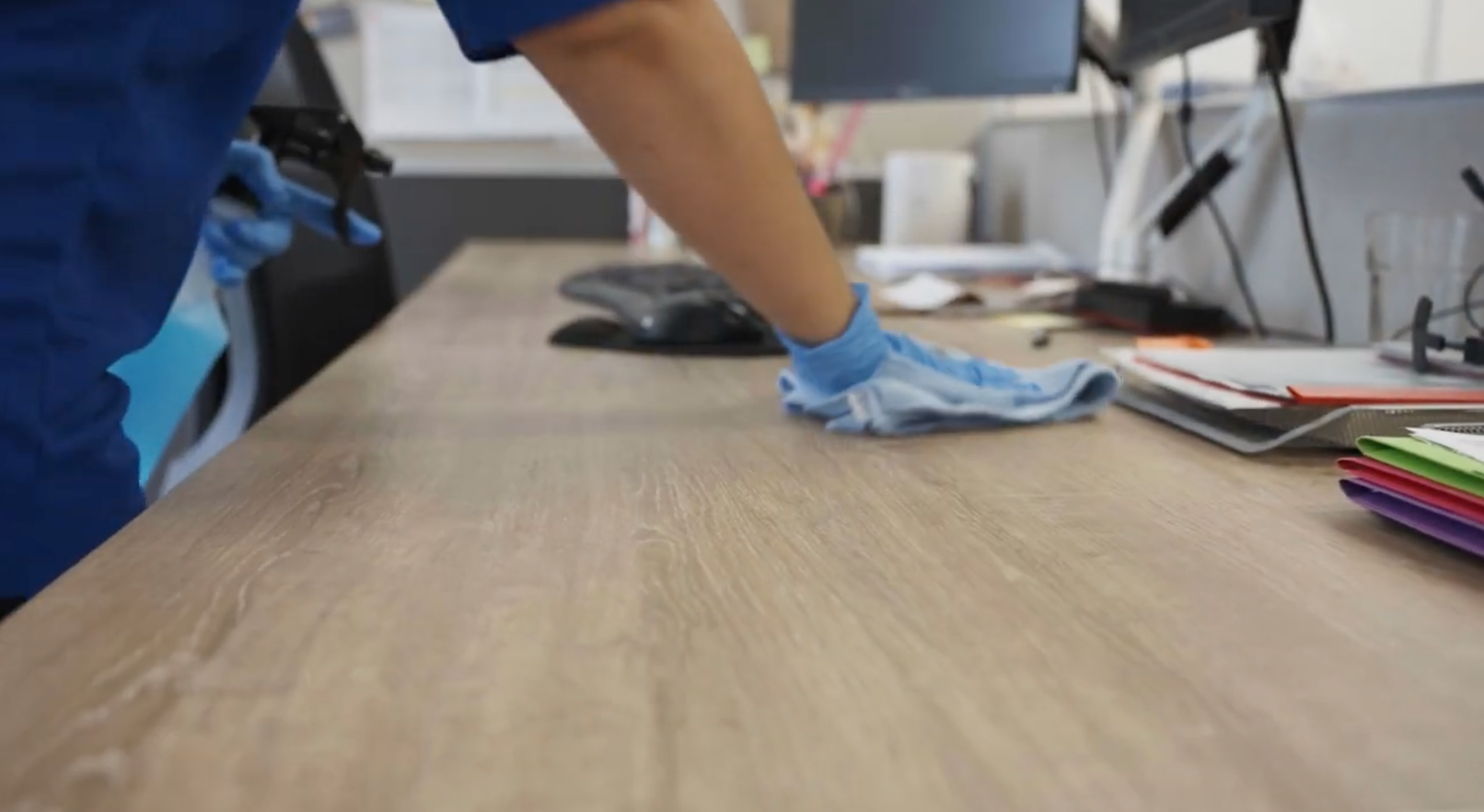
An effective office cleaning schedule should address all areas of the workplace, including shared spaces, workstations, and high-touch surfaces.
Common office areas that require routine cleaning include:
Reception areas
Employee workstations
Conference rooms
Kitchens and break rooms
Restrooms
Hallways and common spaces
Each of these spaces experiences different levels of use, which means they require different cleaning frequencies.
Daily Tasks in an Office Cleaning Schedule
Daily cleaning tasks focus on maintaining cleanliness in high-traffic areas and preventing the buildup of germs and clutter.
Typical daily tasks include:
Emptying trash and recycling bins
Vacuuming carpets in high-traffic areas
Sweeping and mopping hard floors
Sanitizing restrooms
Cleaning kitchen counters and sinks
Wiping door handles and light switches
Disinfecting shared surfaces
Because employees use these areas every day, daily cleaning ensures that germs and dirt don’t accumulate.
Weekly Tasks in an Office Cleaning Schedule
Weekly cleaning tasks focus on deeper maintenance that may not be necessary every day but still plays an important role in keeping the office clean.
Weekly tasks often include:
Dusting desks and office furniture
Cleaning interior glass surfaces
Sanitizing conference tables and chairs
Deep cleaning restrooms
Cleaning inside microwaves and refrigerators
Wiping baseboards and trim
These tasks help maintain a polished and professional workplace appearance.
Monthly Cleaning Tasks
Monthly tasks are typically deeper cleaning activities designed to maintain building materials and improve indoor air quality.
A comprehensive office cleaning schedule often includes monthly tasks such as:
Carpet deep cleaning or extraction
Upholstery cleaning
Floor buffing or polishing
High dusting vents and ceiling fixtures
Cleaning air vents and blinds
TheEnvironmental Protection Agency emphasizes the importance of maintaining clean indoor environments to reduce allergens and improve air quality in workplaces.
These periodic tasks help prevent long-term buildup that can damage office surfaces.
High-Touch Surfaces That Require Frequent Cleaning
One of the most important components of an office cleaning schedule is disinfecting high-touch surfaces.
These surfaces can quickly spread germs throughout the workplace if not cleaned regularly.
High-touch areas include:
Door handles
Elevator buttons
Shared desks
Light switches
Breakroom appliances
Bathroom fixtures
Printer and copier panels
Frequent disinfection of these surfaces helps protect employees and visitors from illness.
Office Cleaning Schedule by Office Size
The size of your workplace will influence how detailed your cleaning schedule needs to be.
Small Offices
Small offices with fewer employees may only require cleaning a few times per week.
Typical schedule:
Daily trash removal
Restroom cleaning several times weekly
Weekly dusting and vacuuming
Monthly deep cleaning
Medium-Sized Offices
Mid-sized offices usually require more frequent cleaning because more employees share common areas.
Typical schedule:
Weekly deep cleaning of workspaces
Monthly carpet and floor maintenance
Large Corporate Offices
Large office buildings often require nightly janitorial services.
Typical schedule:
Daily restroom sanitation
Daily trash removal
Daily vacuuming and floor cleaning
Rotational deep cleaning tasks throughout the building
Benefits of Professional Janitorial Services
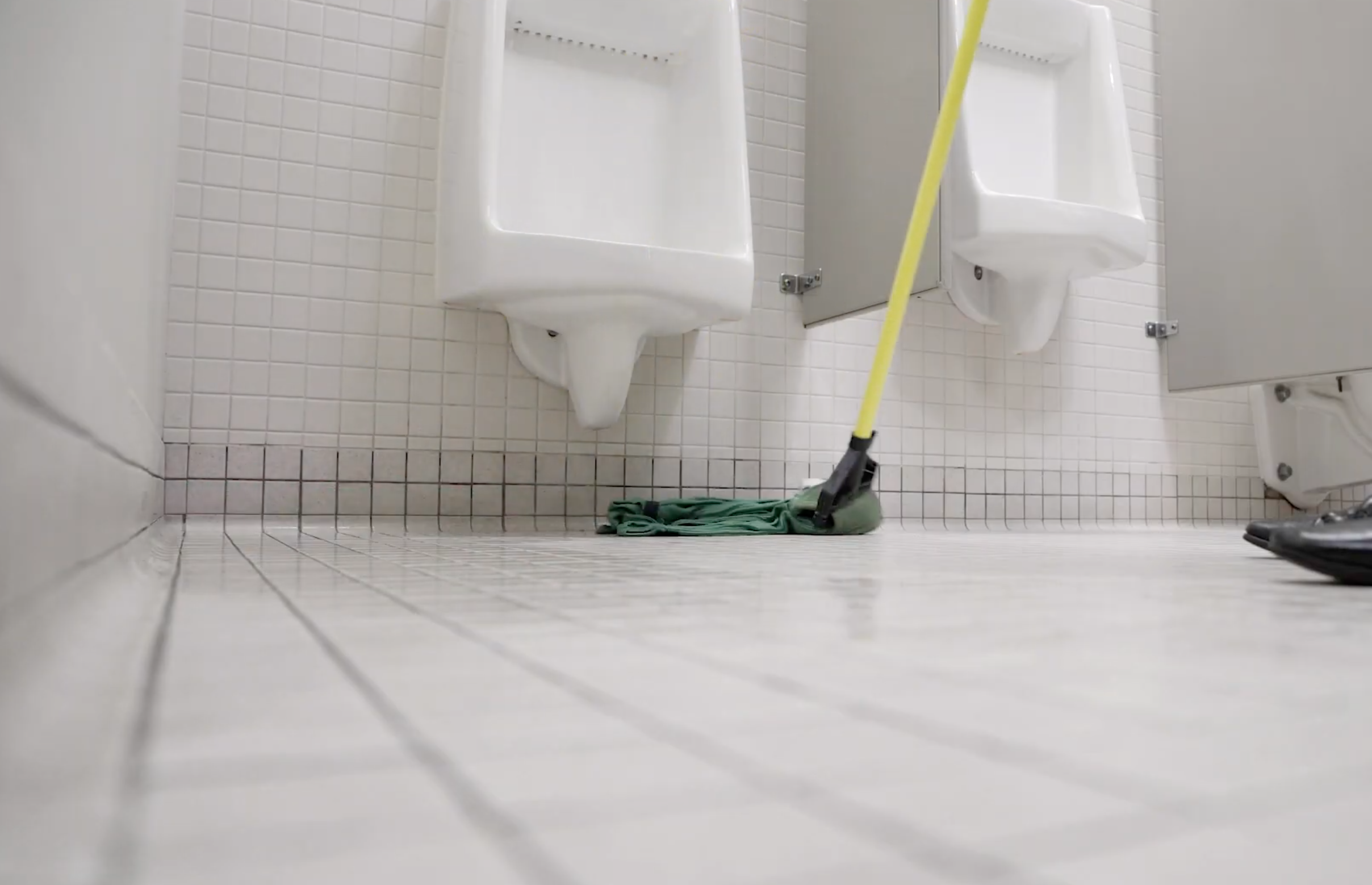
Many businesses choose to outsource their office cleaning schedule to professional janitorial companies.
Professional cleaning services offer several advantages:
Experienced cleaning staff
Commercial-grade cleaning equipment
Consistent cleaning quality
Customized cleaning plans
Flexible cleaning hours
Professional cleaners also help ensure compliance with workplace health and safety standards established by organizations like theOccupational Safety and Health Administration.
Working with professionals allows businesses to focus on operations while maintaining a clean and organized workspace.
How to Create an Office Cleaning Schedule for Your Business
Developing a cleaning schedule doesn’t have to be complicated. Follow these steps to build a system that works for your workplace.
Step 1: Identify All Areas of the Office
Start by listing every area of the building, including restrooms, kitchens, meeting rooms, and hallways.
Step 2: Determine Traffic Levels
Next, identify which areas receive the most use. High-traffic areas will require more frequent cleaning.
Step 3: Assign Cleaning Frequency
Once areas are categorized, assign cleaning tasks based on daily, weekly, or monthly needs.
Step 4: Create a Checklist
A cleaning checklist helps ensure that every task is completed consistently.
Step 5: Review and Adjust
Cleaning needs may change over time as your business grows or the office layout changes.
Regularly reviewing your office cleaning schedule ensures it remains effective.
Signs Your Office Cleaning Schedule Needs Improvement
Even with a cleaning routine in place, it’s important to monitor the effectiveness of your schedule.
Signs that adjustments may be needed include:
Persistent dust buildup
Unpleasant odors
Employee complaints about cleanliness
Overflowing trash bins
Dirty restrooms during the workday
If these issues occur frequently, your office may require more frequent cleaning.
Creating a Healthier Workplace Environment
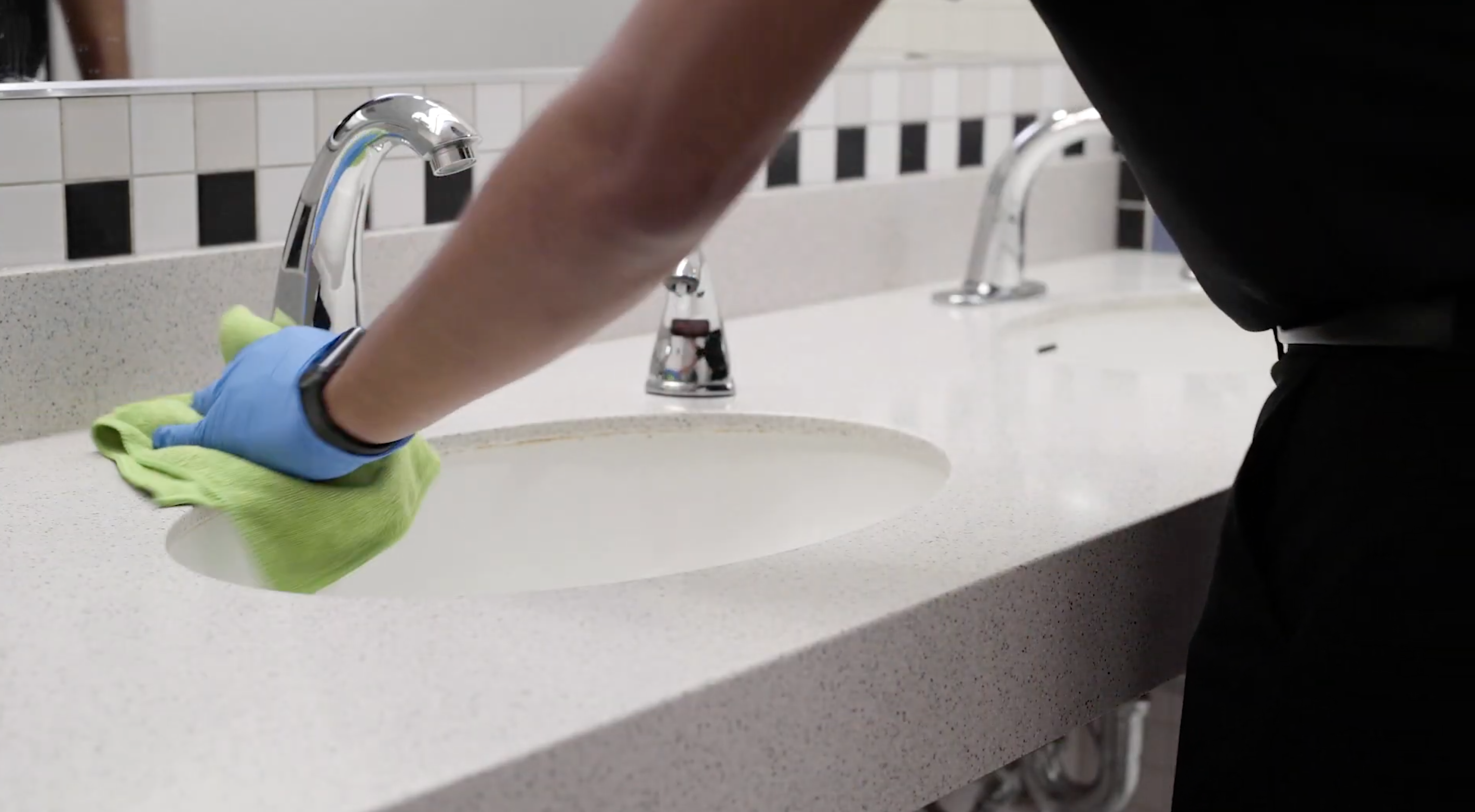
A well-maintained office contributes to a healthier and more productive workplace.
Employees tend to feel more motivated and comfortable in clean environments, which can improve morale and overall performance.
A properly designed office cleaning schedule also helps prevent workplace illnesses and maintains a professional atmosphere for clients and guests.
Office Cleaning Schedules
Creating a consistent office cleaning schedule is one of the most effective ways to maintain a professional, hygienic workplace.
By organizing daily, weekly, and monthly cleaning tasks, businesses can ensure that every area of their office remains clean, safe, and welcoming.
Whether handled internally or through professional janitorial services, a well-planned cleaning schedule protects your workplace, your employees, and your business reputation.
